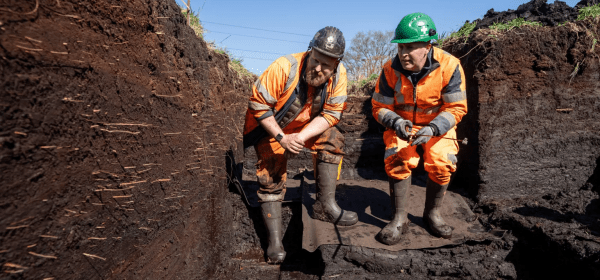
Britain used to be full of marshes through which the Celts built trackways to travel about – probably between the various tribes. Presumably, these marshes ran through (and around) forests – as the UK used to be covered in dense foliage. Therefore, the Celts did build their own type of natural pathways – but these were “natural” and very different to the roads constructed by the Roman engineers – which seemed “severe” and “unnatural” by comparison. Furthermore, the Romans destroyed the traditional landscape that Druidism and Celtic culture developed and grew within. The Romans cleared the forests and drained the marshes – thus destroying the very essence of the British Celt culture that had existed for thousands of years. The Romans committed genocide, forcibly established their culture – and then left. Part of this Roman domination was that the Celts were “primitive” and possessed no culture of their own. A policy straight out of the imperialist play-book.

 SANGHA KOMMUNE (SSR)