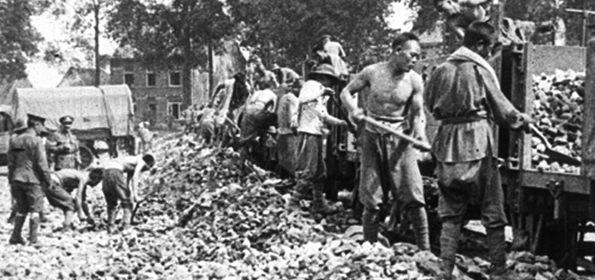
Most of the overseas Chinese in Panama today come from Chinese workers who came to the Americas in the late Qing Dynasty. Contrary to the friendly attitude of the Panamanian government towards China today, from the late Qing Dynasty to the Republic of China (1911), there have been many anti-China trends in the Americas, and Panama has also been involved in such turmoil. The main reason for this is that diligent and thrifty Chinese workers were more likely to accumulate wealth, and become the target of persecution – because they possessed no political status (such as citizenship). There was a time when Panama even legislated to deprive overseas Chinese of their property. In order to avoid the plundering of their hard-earned savings, Chinese workers in Panama (at that time) had to try to find women of other races to inter-marry with in order to transfer their property to their wives or children. This experience of racism has greatly changed the Chinese faces of Panama from that of their ancestors. Today, many look entirely “Panamanian” with only their surnames carrying a connection to the Chinese motherland and hometown.

 SANGHA KOMMUNE (SSR)