Bristol Mass Grave - 2024

Bristol Housing Site: Disturbing Mass Grave Uncovered! (24.10.2024)

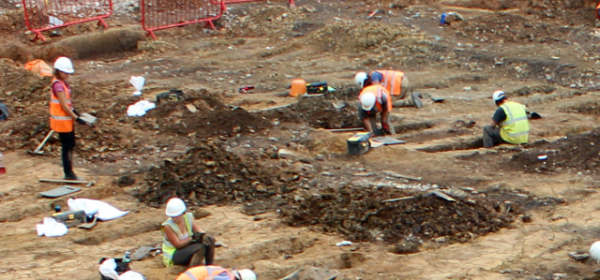
During that period, foreign fighters, largely sailors captured during conflicts with France, Spain, Holland and the early United States were held there and, it would appear, often died there.

Significantly the site’s use for this pre dates the creation of the Norman Cross camp in Huntingdonshire, which is sometimes described as the world’s first purpose built prisoner of war camp.

In the 19th century it was then used as a hospital, including in 1832 when Bristol was hit by a cholera outbreak and in 1837 it was turned into a Victorian Workhouse, which were kind of like homeless shelters but notoriously brutal, providing people with food and shelter in exchange for manual labour.

It’s thought the remains are likely to date from each of these three periods.

A statement sent to Greatest Hits Radio by housing developer Vistry, says research on the remains will “contribute to understanding of Bristol’s social and economic history”.
Shrub Ox Evolved Outside North America!

China: North American Shrub Ox Fossils Discovered in Eurasia! (24.10.2024)

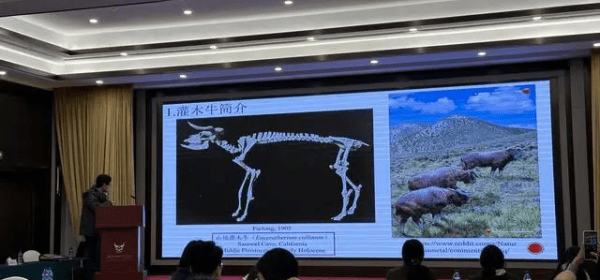
Phylogenetic studies show that shrub oxen formed a sister group with musk oxen, indicating a closer evolutionary relationship between the two compared to other bovidae. 

“Building on previous research, we expanded our study to include Quaternary musk oxen and concluded that their evolution can indeed be divided into two groups: high-horned and low-horned species. These two groups migrated from Eurasia to North America during the Late Early Pleistocene to Early Middle Pleistocene, and the Late Middle Pleistocene, respectively,” Bai stated.

This research provides new material on the diversity and evolution of musk oxen and is significant for understanding faunal exchanges between Eurasia and North America during the Quaternary period.

Superbug - Linked to Rifaximin!

Australia: Research Confirms Common Antibiotic [Rifaximin] Linked to Rise of Dangerous Superbug! (24.10.2024)

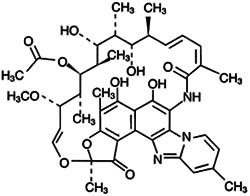
Glen Carter, senior author of the study from the University of Melbourne and the Doherty Institute, said the study challenges the previously-held belief that rifaximin is low-risk for causing AMR.

“We’ve shown that rifaximin makes VRE resistant to daptomycin in a way that has not been seen before,” he said in a media release.

“It is also of concern that these daptomycin-resistant VRE might be transmitted to other patients in the hospital; a hypothesis that we are presently investigating.”

The authors of the new study said the findings highlight the critical need for effective genomics-based surveillance to detect emerging AMR.